



Breast Reduction
For women with excessively large breasts, it is common to experience back, neck, or shoulder pain, as well as pain and discomfort, along with other issues, including poor posture, difficulty finding properly-fitting clothing, and difficulty exercising. Some women may even face breathing problems and skin irritation as well. In addition to these physical symptoms, many women simply feel self-conscious about the appearance of their large breasts and excess breast tissue, believing they contribute to an imbalance or disproportionate look. For these women, breast reduction surgery can be a great option.
Breast reductions are a breast surgery performed to create a smaller, proportionate breast size that still appears natural by using advanced surgical techniques. This is done by removing excess breast tissue. The procedure is tailored to the patient’s body to achieve the best possible proportion and function. In addition to improved self-confidence, breast reduction can have a positive impact on mental health and body image by reducing psychosocial distress related to breast size.
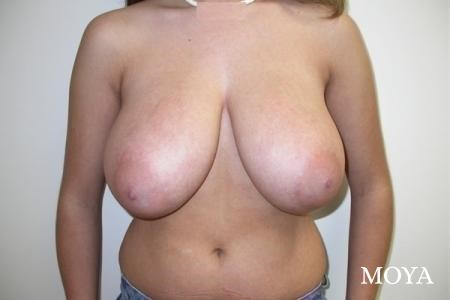
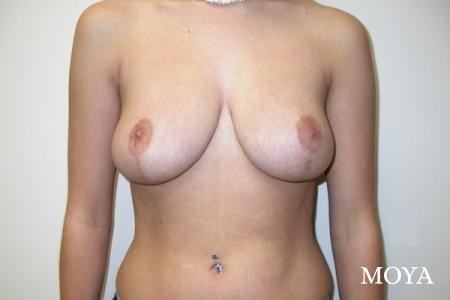
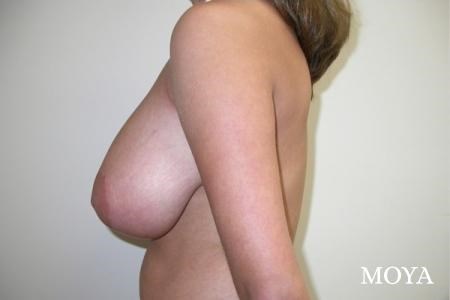
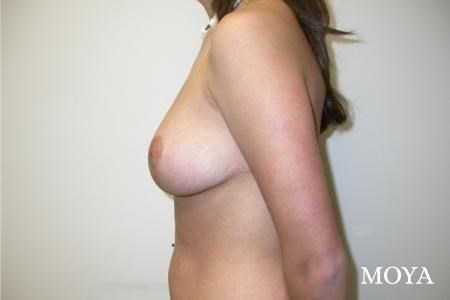


Good Candidates for a Breast Reduction Surgery
Ideal candidates for breast reduction surgery are women who are struggling with overly large breasts (including excess glandular tissue and excess skin), but who are in generally good health, have fully developed breasts, maintain a stable weight, have realistic expectations of treatment, are not pregnant or breastfeeding, and are nonsmokers. It can also be the perfect option for those struggling with breast asymmetry. A thorough review of family history and any relevant medical conditions is important, especially to assess breast cancer risk and inform surgical planning. Patients should also consider future pregnancies, as these can impact the results of breast reduction surgery by altering breast size and shape.
During your consultation with Dr. Normington or Dr. Moya, they will review your medical history, discuss your goals, and answer any questions you have. From there, they will determine if this is the right surgical procedure for you.
Sagging caused by past pregnancies, genetics, or aging can be significantly improved by a breast lift. Individuals with sagging breasts too great to be corrected by implants alone can benefit from this procedure. Women with large, heavy breasts who experience difficulty breathing, have back, shoulder, or neck pain, poor posture, bra-strap indentations, or chafing under the breasts are prime candidates for breast reduction surgery. Listen as Dr. Moya discusses the differences between these procedures.Podcast Episode: Breast Lift vs Reduction
How is a breast reduction performed?
Breast reductions are performed as outpatient procedures under general anesthesia. First, incisions are made around the areola, vertically down to the crease beneath the breast (inframammary fold), and sometimes along this crease, following common incision patterns such as the anchor-shaped or inverted-T approach.
Your plastic surgeon will then reposition the areola and nipple for the desired appearance. Through the incisions, the cosmetic surgeon will perform tissue removal by excising excess breast tissue, fat, and skin. The nipple/areola complex is moved to a higher, more forward position on the chest. The remaining breast tissue and skin are reshaped and closed with dissolvable sutures to create a flattering and natural appearance to your breast size and breast shape. In some cases, liposuction is also used to further reduce fat, especially below the armpit area, to enhance a flattering result.
Recovery after a breast reduction
Following a breast reduction, incisions are covered with light dressings, and a support bra should be worn day and night for about two months after surgery. Patients are typically able to get up and walk around the same day of surgery. This reduces discomfort and maintains a symmetrical position as the breasts heal. Swelling, soreness, and tingling are typical after breast reduction surgery and may be treated using oral medication. Most patients return to light activities in 3–7 days, with full recovery taking 4–6 weeks, and most feel ready to return to a desk job within one week if they are no longer taking prescription pain medication. Patients can typically shower on the day after surgery if no drains are present. Heavy lifting should be avoided for at least 4 weeks following surgery.
Follow-up appointments are important to monitor your recovery and manage any complications that may arise. Many patients experience improved posture and a significant reduction in skin irritation and rashes under the breasts after surgery.
Potential complications and risks
As with any surgical procedure, breast reduction surgery carries certain potential complications and risks. While most patients experience a smooth recovery and are satisfied with their results, it is important to be aware of possible issues that can arise. These may include infection, bleeding, delayed wound healing, or noticeable scarring. Some women may experience changes in nipple or breast sensation, and in rare cases, there can be problems with the blood and nerve supply to the nipple or breast tissue.
Breast Reduction Insurance Guidelines
Most health insurance plans will cover breast reduction surgeries if certain stipulations are met. This includes documented pain or other issues due to large or heavy breasts. In many cases, insurance providers require that patients attempt other methods to resolve pain, such as physical therapy, prior to surgery. Most health insurance companies also require that a certain amount of tissue be removed through the procedure in order to qualify for coverage—in most cases, patients with a D cup or larger will qualify. As insurance coverage varies, patients are encouraged to reach out to their provider prior to surgery for pre-approval.
In cases where insurance does not cover the procedure, Lewisburg Plastic Surgery offers more affordable alternatives. Because our procedures are performed at a dedicated surgery center rather than a hospital, the surgery is overall more affordable through Lewisburg Plastic Surgery. Options for self-payment can be discussed during your consultation, including financing plans.